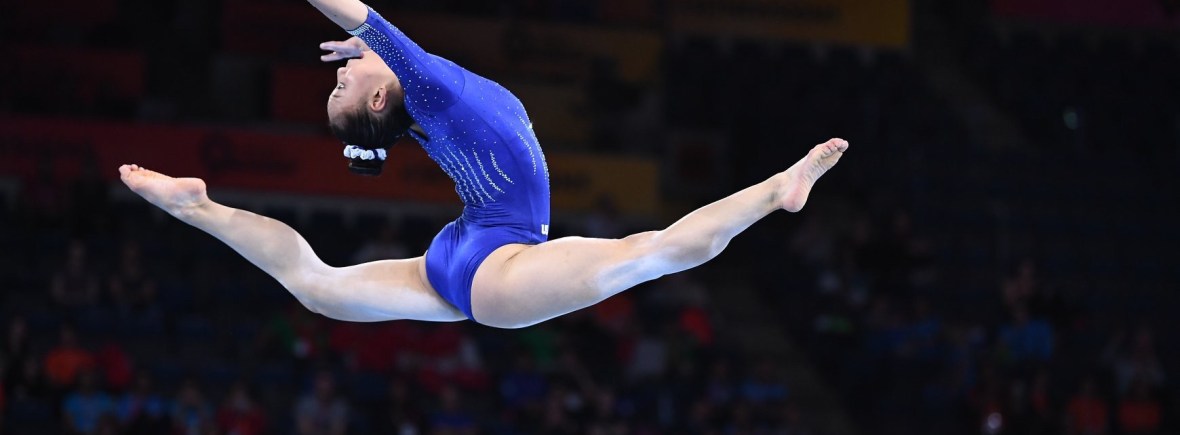
Welcome to the Visual Glossary for Flip. Fly. Stick. I realize that not everyone is what is known in the gymnastics community as a “gym nerd” and so you might not know all the terms for different things so I’m including this glossary for you. I want you to be able to know what’s going on so here we go:
Let’s start with some questions you might be asking:
- What is elite gymnastics? Elite gymnasts are those who complete at the highest levels of international competition. In the US, to be considered an elite, a gymnast must go through the numbered levels that end in 10 and pass an elite compulsory test to show that they can compete the necessary skills.
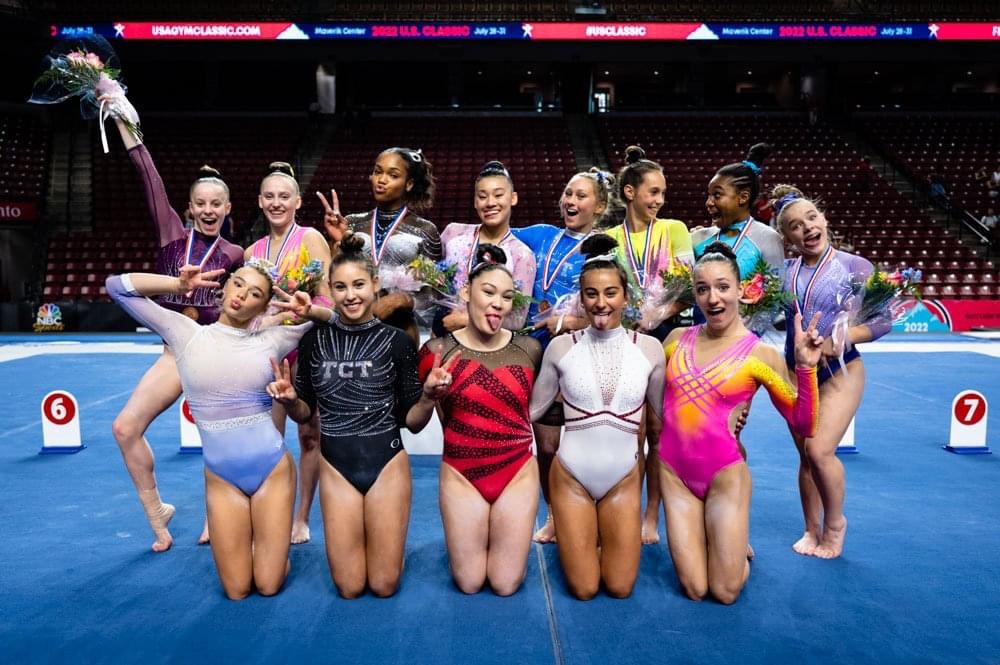
- Is there a difference between junior and senior athletes? The only difference is age. For women, most junior elites are between 12 and 15, but every now and then, an 11-year-old will sneak through. To be considered a senior elite gymnast and be eligible to compete at major international competitions like the Olympics and Worlds, you have to be turning 16 sometime that year. In the US, most of the men who make up the senior team are at least 18, but they can be as young as 16.

- What does it mean to petition? Gymnastics is a sport that, by nature, has a lot of injuries. When a gymnast is unable to compete in a qualifying competition, they can petition to be allowed to compete in the next qualifier for the event they are trying for, like Nationals or Olympics Trials, based on their previous scores.

- How is gymnastics scored? There are two parts that make up an elite score. The D score and the E Score. The D score is the difficulty score, it is calculated based on the elements that a gymnast puts into their routine. The E Score is the execution score which is out of ten and based on how well a gymnast executes or performs their routine. Currently, a high score is in the 14s or 15s, and a low score is in the 11s or 12s.
- What’s the deal with going pro? Gymnastics is a weird sport where female athletes have traditionally competed at the highest levels before they go to college. This means that, instead of going to college and then going pro, many gymnasts have chosen to turn professional first, which requires giving up their eligibility to compete at the collegiate level. Going pro for a gymnast simply means that they can take the cash prizes that come at some of the events and have endorsement deals. The Name, Image, Likeness (NIL) Deal has provided a way for some gymnasts to compete in college while profiting off themselves without having to go fully pro.

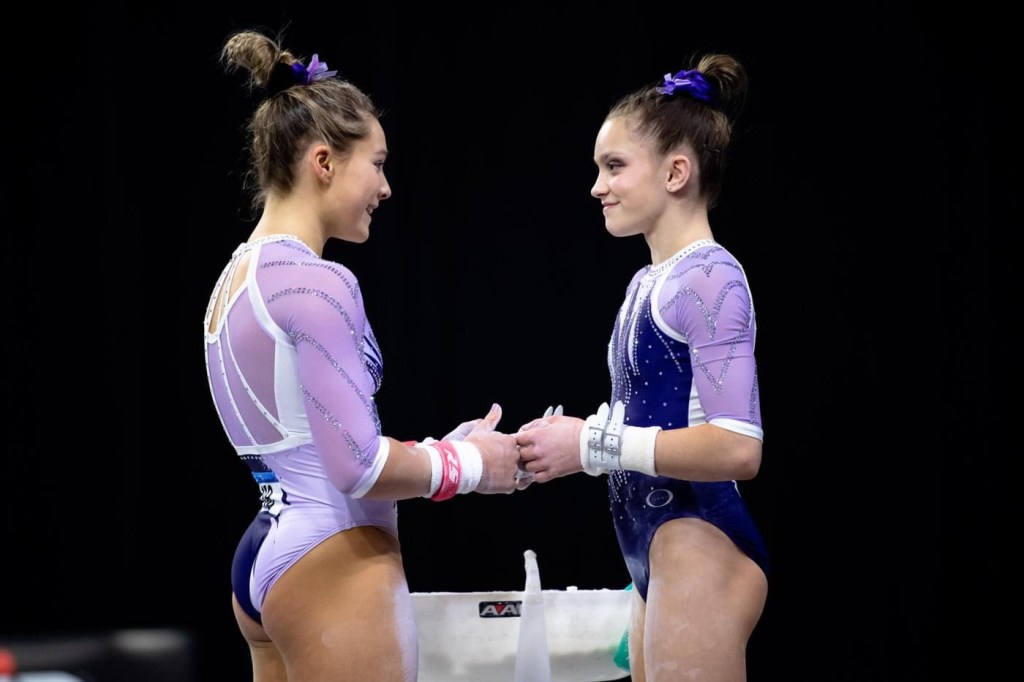
- What is with all the chalk? Chalk is a way that gymnasts combat the sweat and friction that comes from competing at the highest levels. The chalk absorbs some of the sweat so they can have a better grip on the apparatuses and combats the friction so they can glide more smoothly on events like bars and beam.
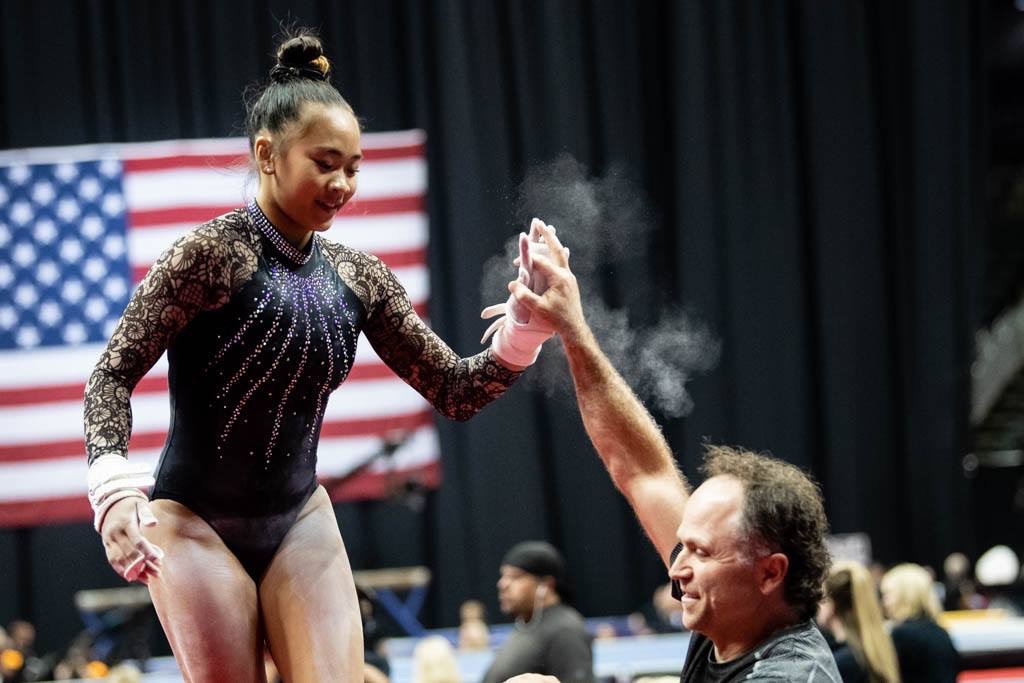
- What is an inquiry? An inquiry is an appeal submitted by the coaches when an athlete’s score comes back lower than expected. It is essentially asking the judges to re-score the routine in hopes of a higher score. Typically, an inquiry comes when, like in Addison’s case, the coach thinks the judges missed an important element in the routine, and they want their athlete to get credit for the full difficulty of the routine. It must be done quickly and requires $200 in cash to get it done.
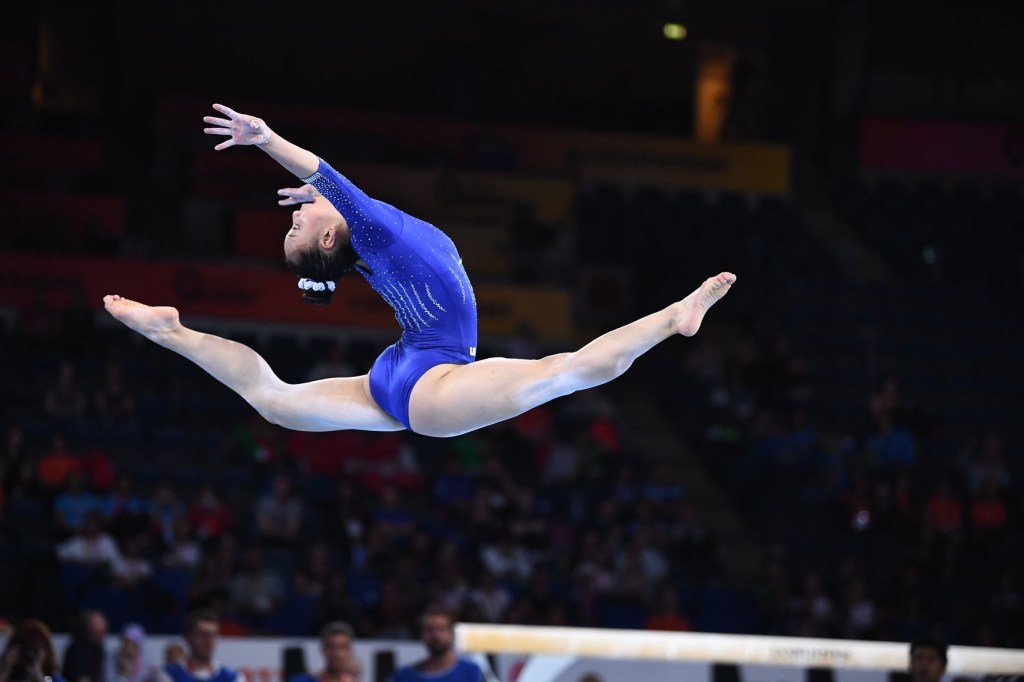
Women’s Artistic Gymnastics is made up of four events or apparatuses:
In Olympic Order:
- Vault: Where a gymnast runs full speed towards the vault table, hits a springboard before the vault table, and then launches off the table onto the mat.

- Here are some of the terms that have to do with vault:
- Yurchencko – the most common type of vault, a backwards entry to the table before flipping off of it. (See above)
- Double Twisting Yurchencko or Yurchencko Double Full – a vault where you twist your body around twice before landing on the mat.
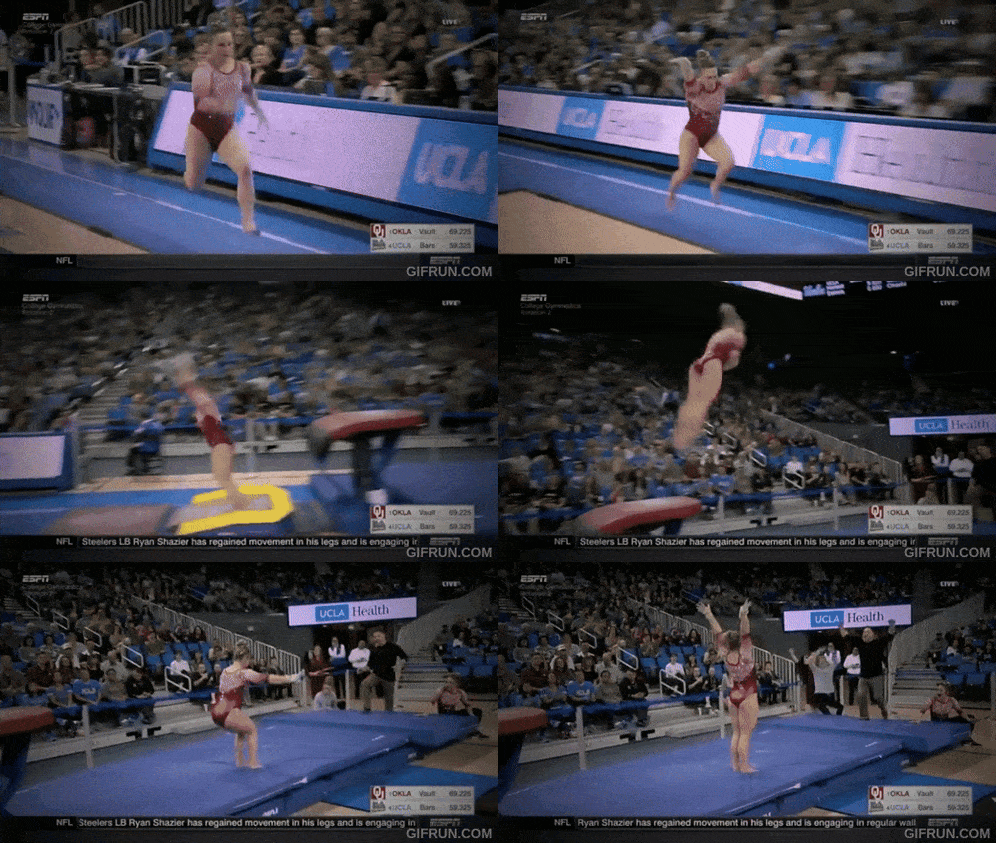
- Amanar – a vault that requires you to twist your body around two and half times between pushing off the table and landing on the mat.
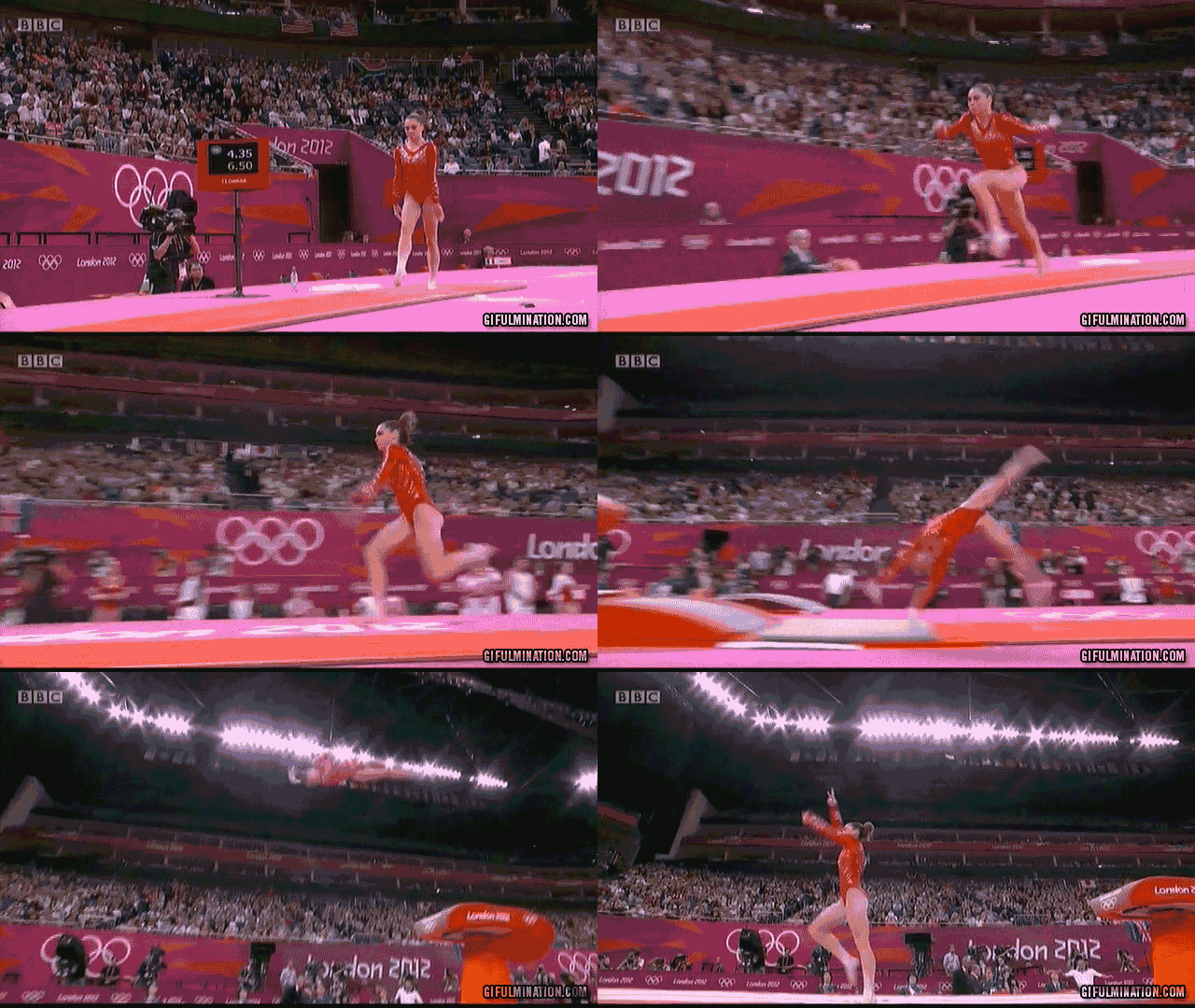
- Cheng – a vault where you go on the table facing forward and twist one and a half times before landing on the mat.

- Rudi – a handspring vault where you twist one and a half times.
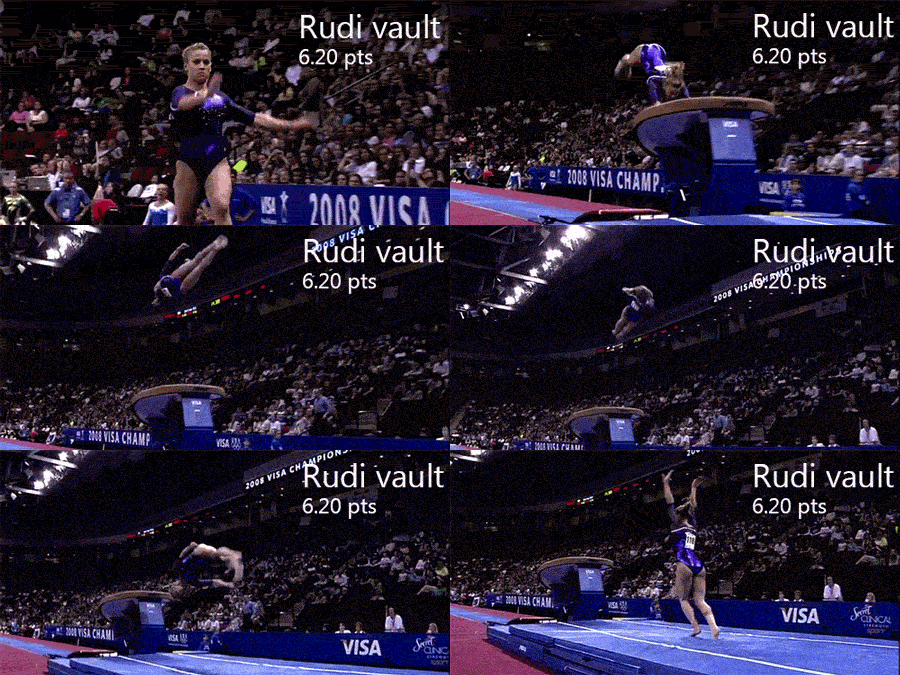
- Uneven Bars: Two bars set at different heights (high bar about 8ft and low bar about 5.5ft) where the gymnast has to use both bars. In many countries including the US, gymnasts use grips on bars in order to help them stay on better.
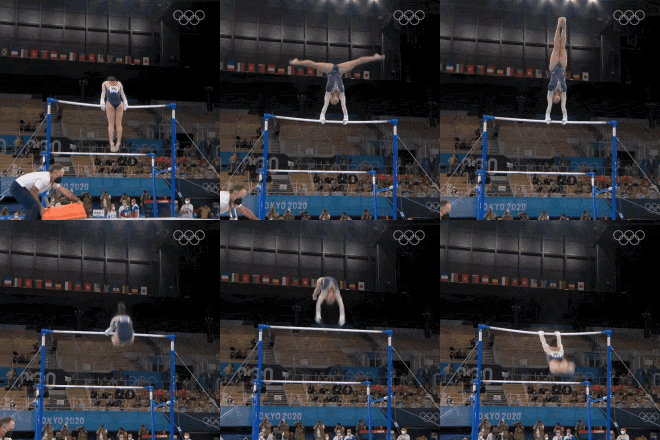
- Here are some of the terms that have to do with bars:
- Giant – A straight body full lap around the bar, typically used to gain momentum for bigger releases or the dismount.

- In-Bar Stalder – Circles around the bar around with legs in a straddle position
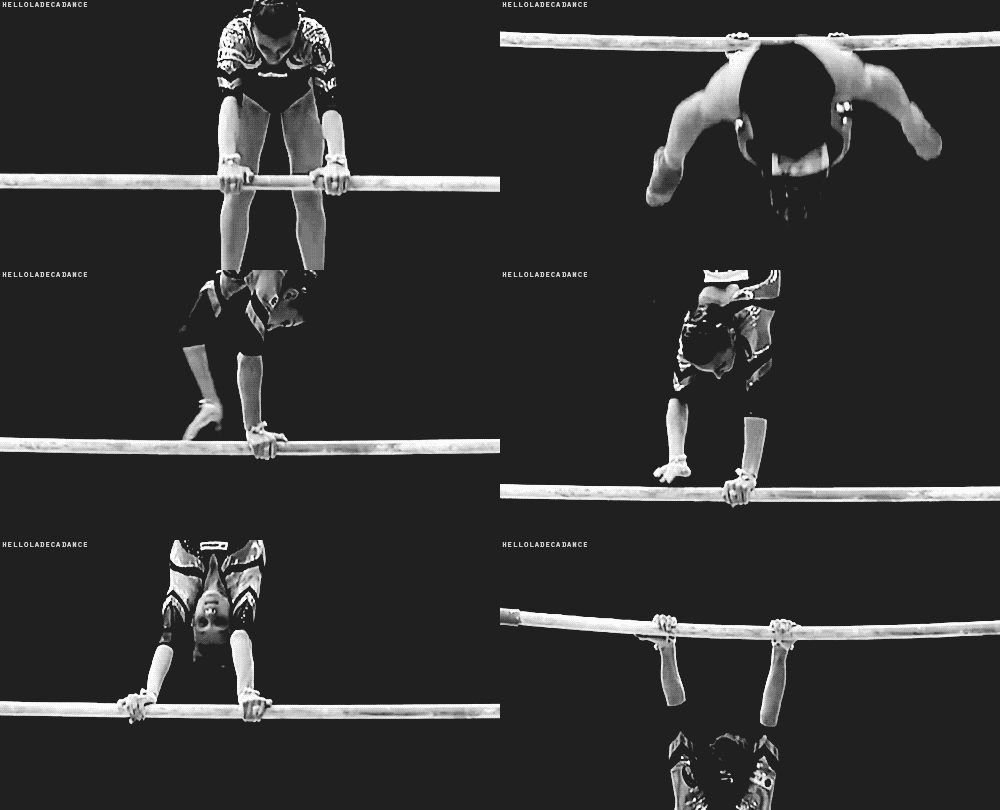
- Pak – a transition to the low bar from the high bar where the gymnast flips and grabs the low bar
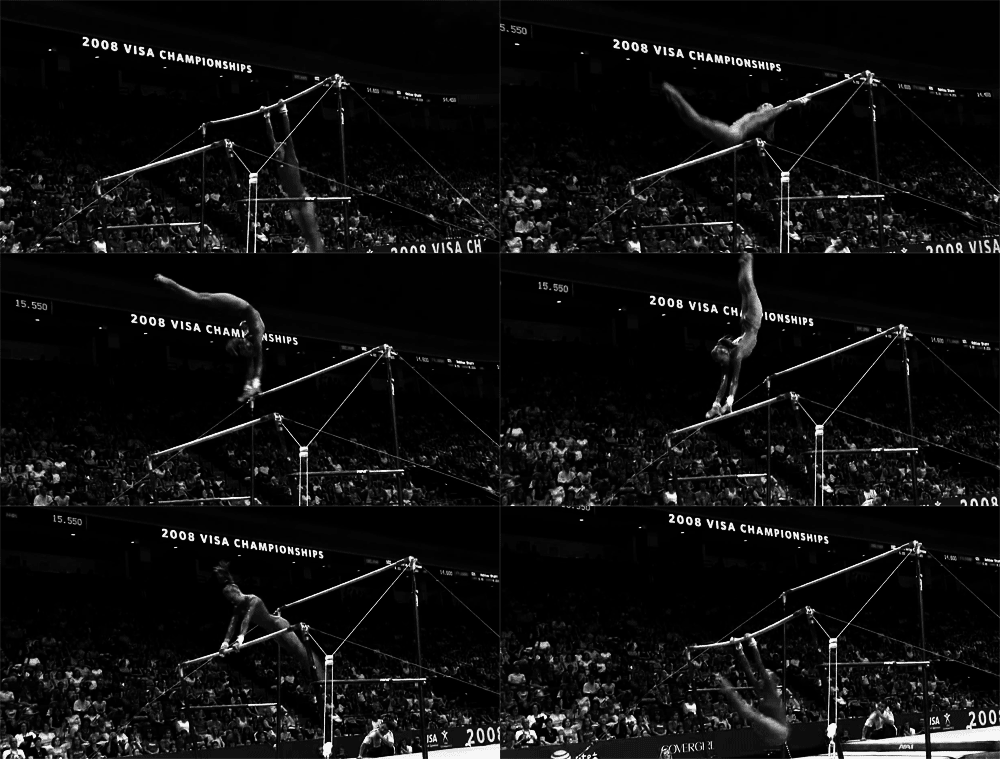
- Tkathev – a release move that goes over the bar in a straddled position before having to grab the bar again.
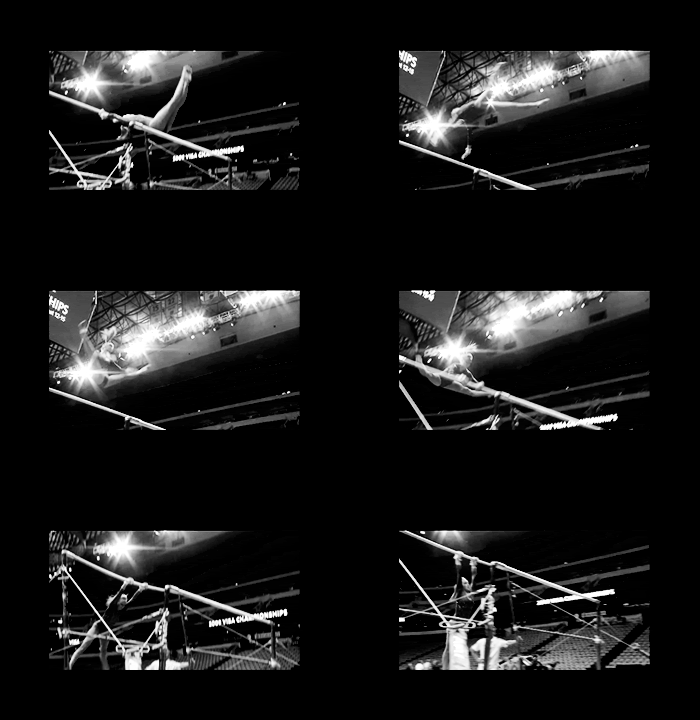
- Gienger – a release that starts as a giant with a back flip with a half twist (See the first GIF for bars)
- Jaeger – basically the opposite of Gienger instead of going backwards, the gymnast goes forward.
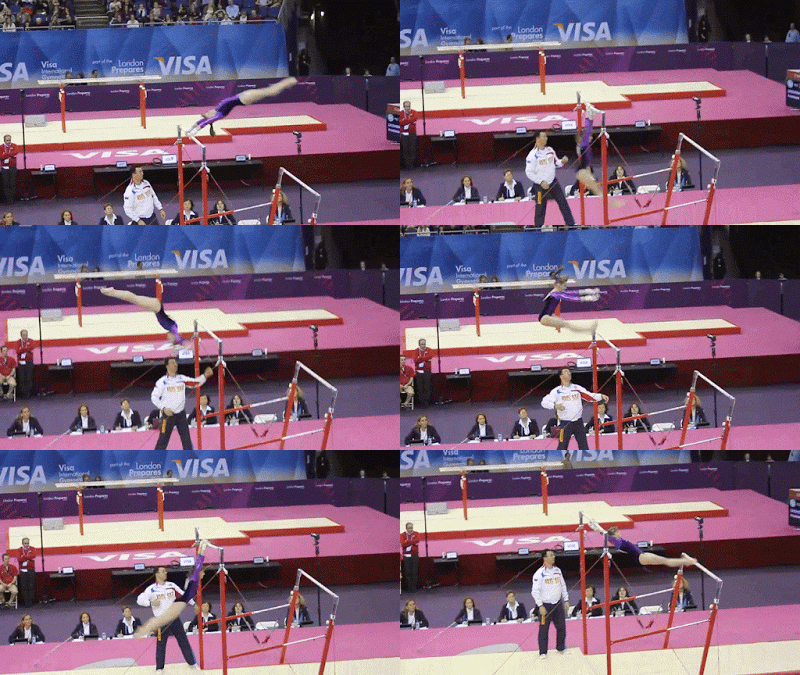
- Shaposh half – a transition from the low to high bar where the gymnast circles around the low bar before swinging back up to the high bar with a half twist so she lands facing the outside of the bar.
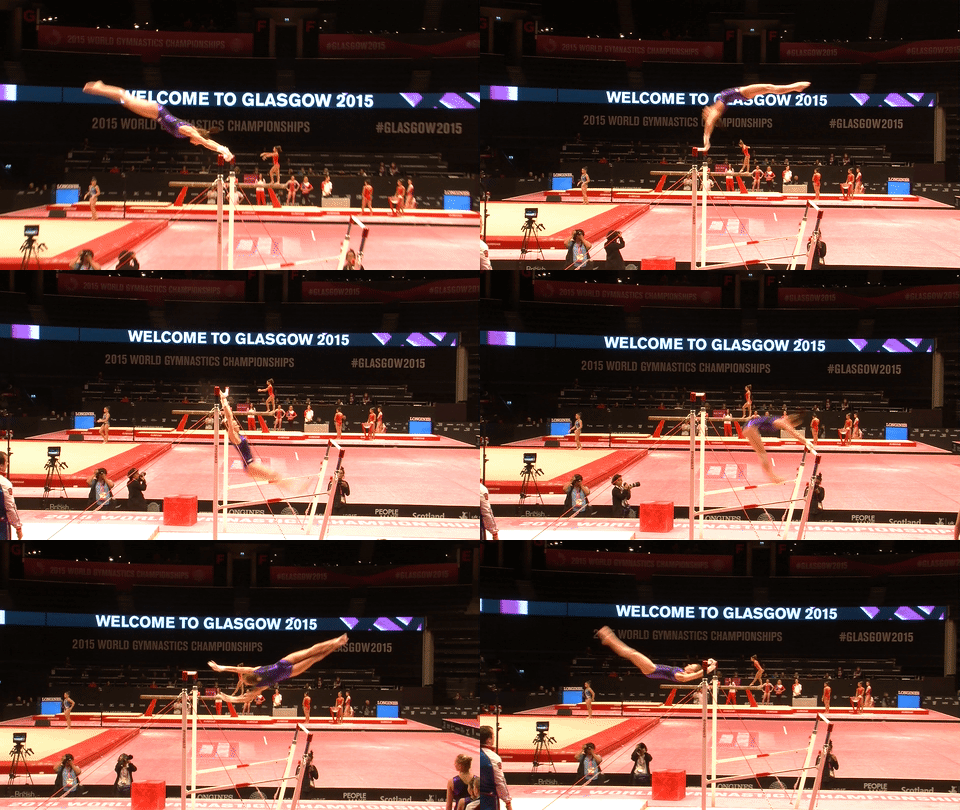
- Balance Beam: A four-centimeter wide beam covered in suede that a gymnast has to spin, leap, and tumble in multiple directions on. The beam routine is 90 seconds long and there is a warning bell that sounds when there are 10 seconds left—this is typically when most gymnasts begin their dismount.

- Here are some of the terms that have to do with beam:
- Candle Mount – when a gymnast dives backward over the beam and lands with their arms wrapped around the beam & their legs straight up in the air.
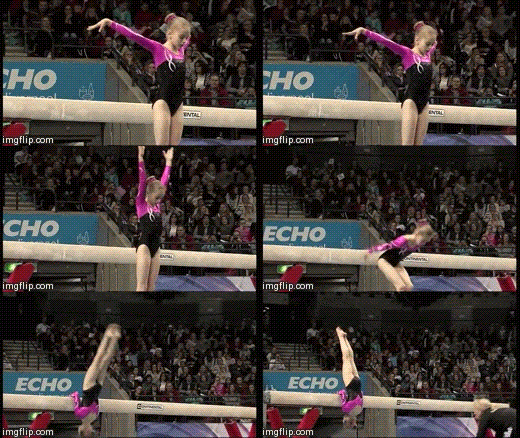
- Acro Series – in elite gymnastics, there is a requirement to do three acrobatic elements—tumbling, like things you could see in a floor routine—in a row.
- Back Handspring Layout Stepout Layout Stepout – a very common acro series where gymnasts do a back flip and then two more landing one foot at a time. (See the first GIF for beam)
- Side Sumi – a sideways aerial where the gymnast grabs their leg and lands facing sideways
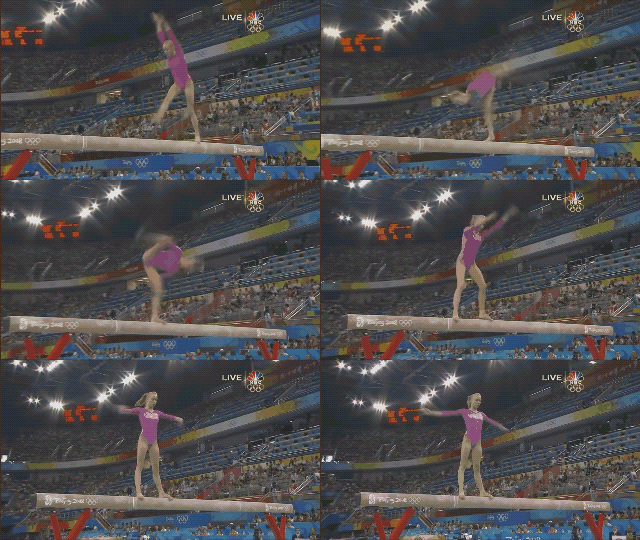
- Arabian – a back flip with a half-twist into a front flip.
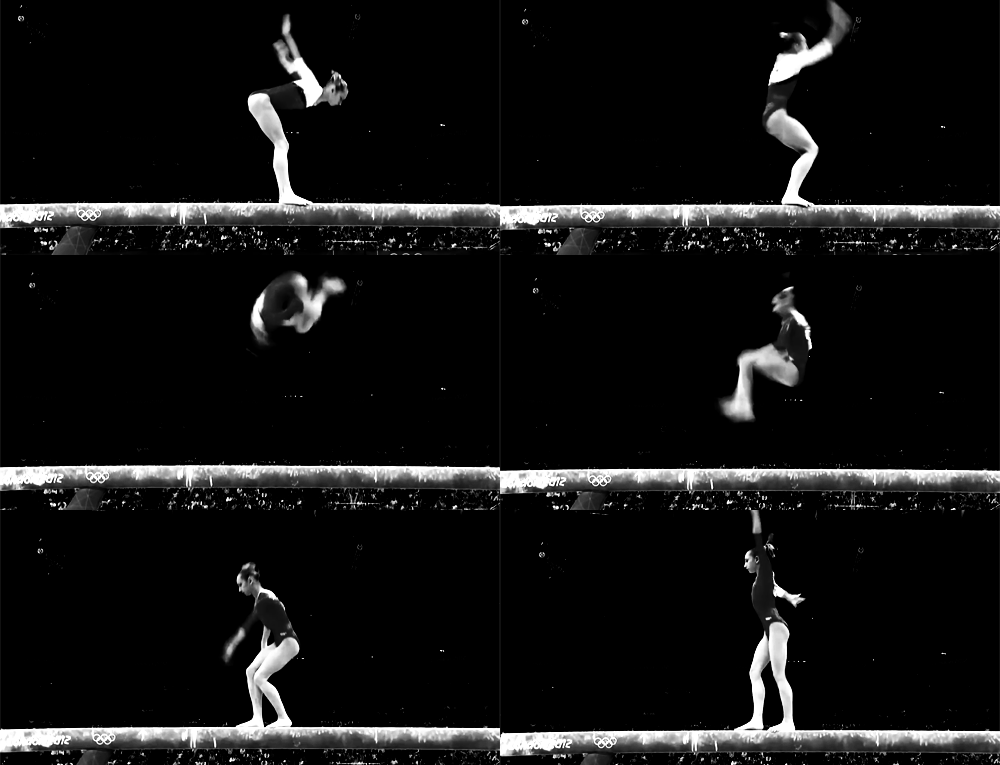
- Sheep Jump – a gymnast kicks her legs up and throws her head backwards

- Ring Leap – Split leap with her back leg up and her head thrown back so that she makes a ring with her head and leg

- Sissonne – a split jump where the gymnast lands on one foot

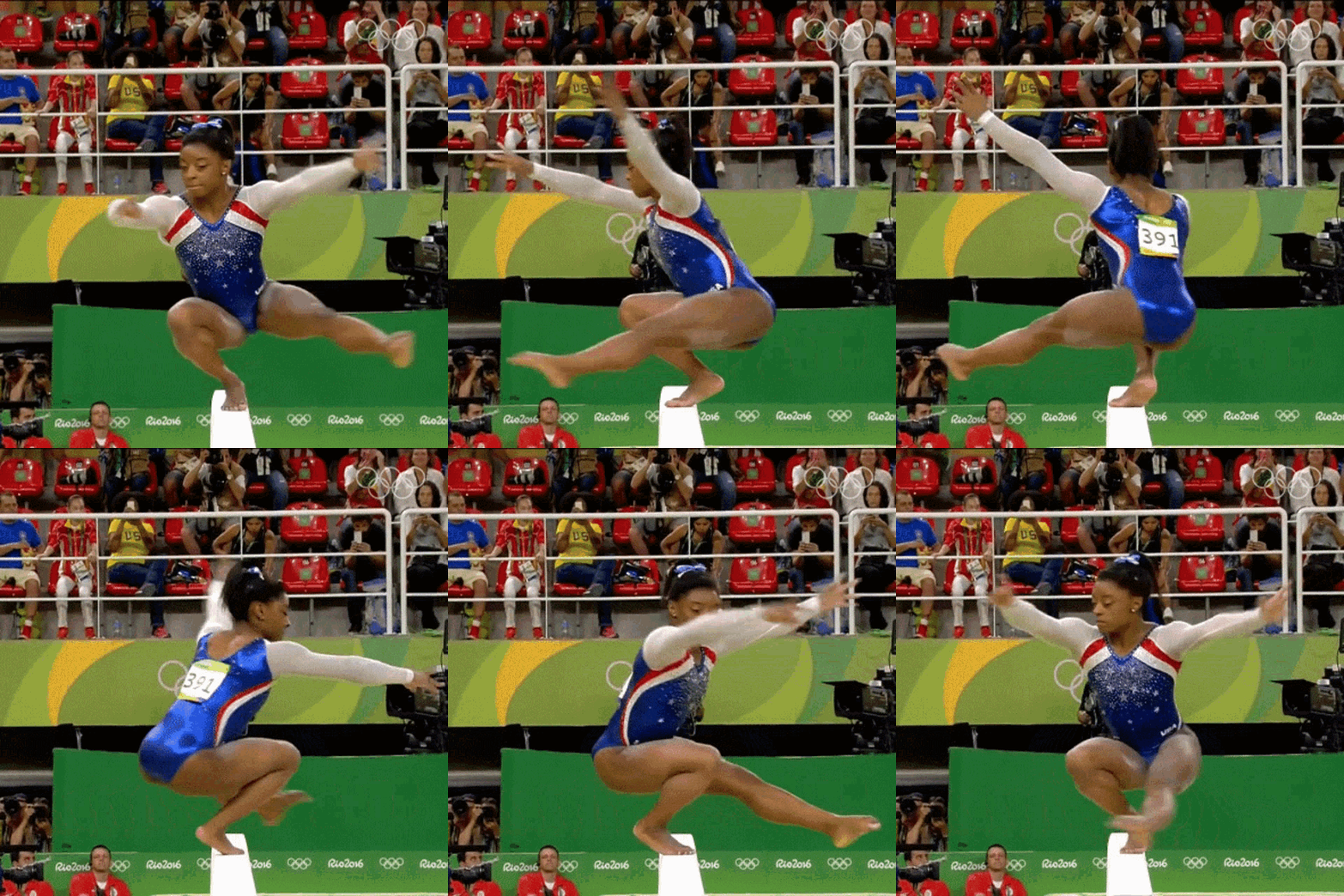
- Wolf Turn – a full turn done where a gymnast crouches down with one leg out and turns around the squatted leg. Can be a single, a double, or a triple turn.
- Double Y Turn – a full turn with one leg lifted into the air so that the body and leg make a Y shape.
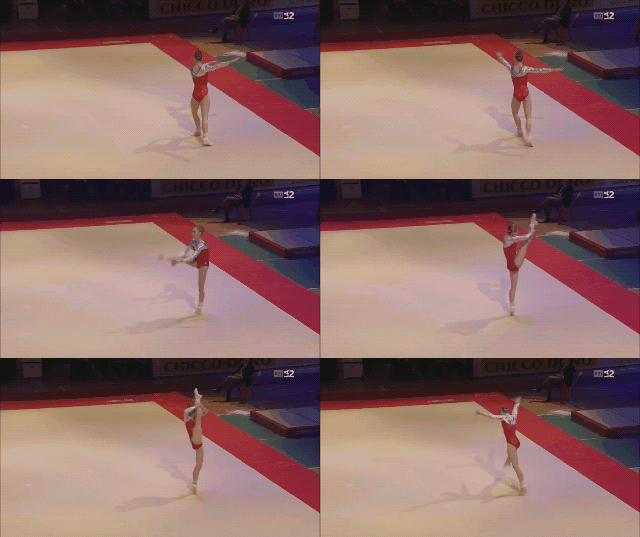
- Flourishes – arm movements that made to help choreography
- Floor Exercise: A routine set to instrumental music typically with four tumbling passes in it. Many of the terms that go with Balance Beam can also be done on the floor.
Men’s Artistic Gymnastics is made up of six events or apparatuses:
In Olympic Order:
- Floor Exercise: Basically the same, except with no music
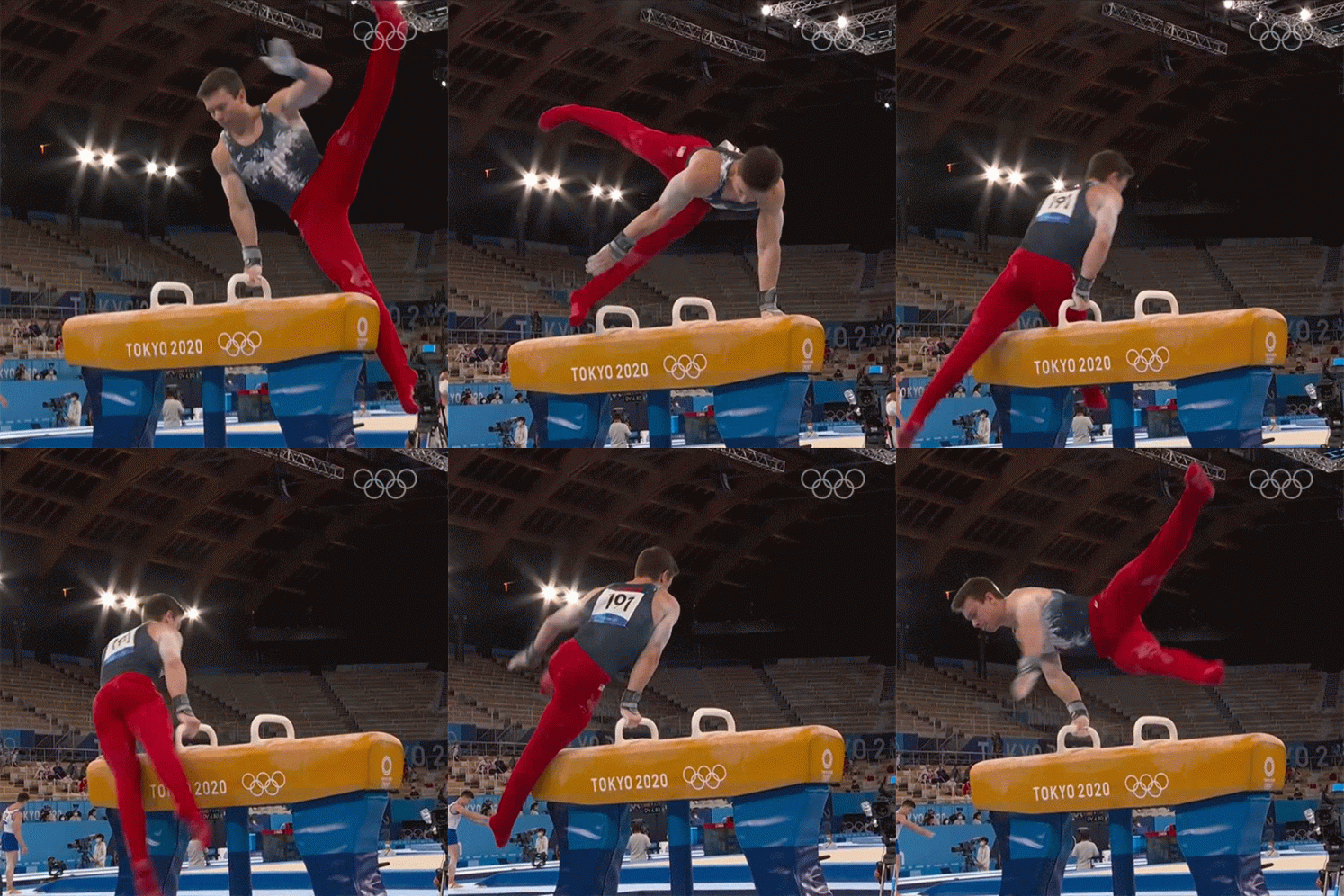
- Pommel Horse: A horse with two handles where they turn and scissor around and around
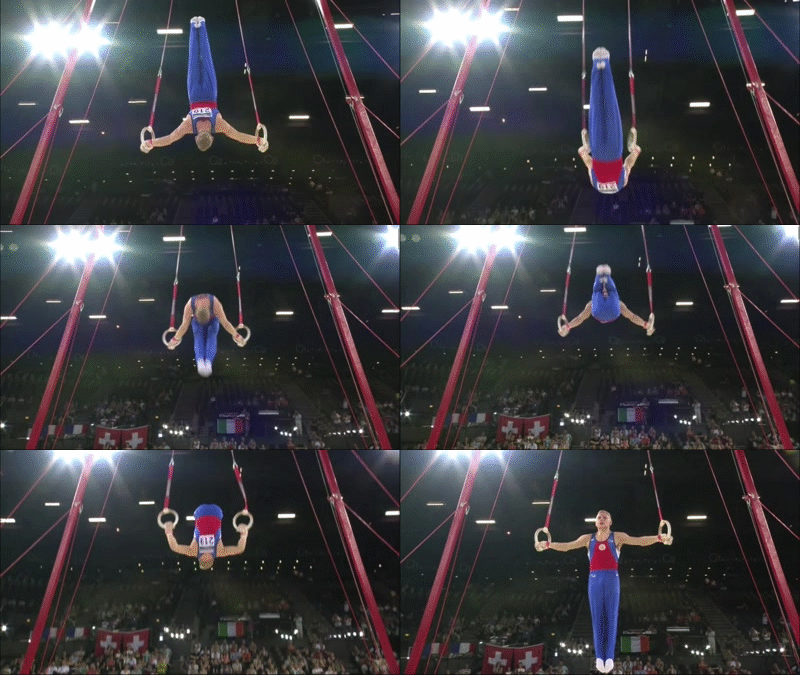
- Still Rings: straight and precise body positions while holding on to the rings
- Vault: the same as the women
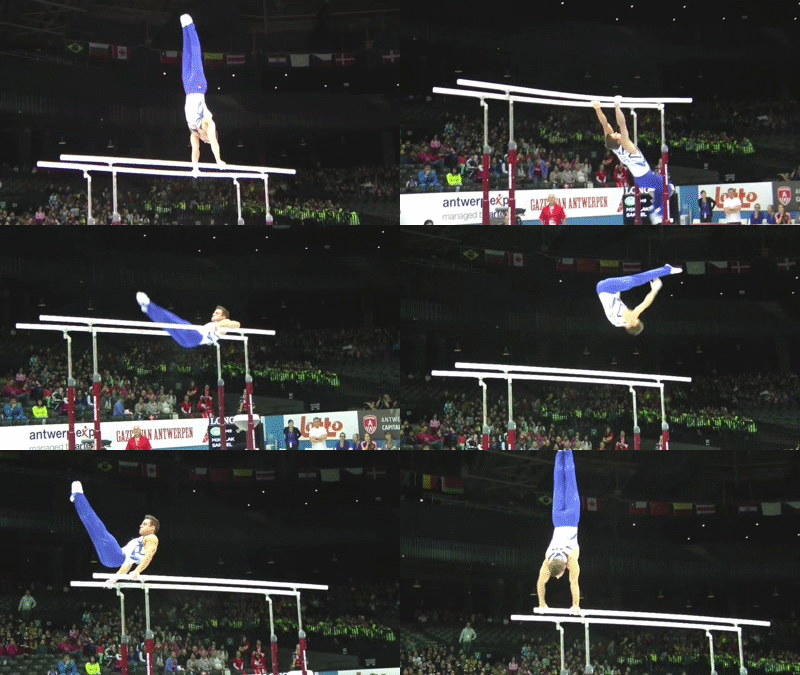
- Parallel Bars: two side by side that they flip through and handstand above
- Horizontal (High) Bar: The single bar that they swing around and do releases above (only the high bar from Women’s uneven bars)
 Walking in My Shoes